Address
304 North Cardinal St.
Dorchester Center, MA 02124
Work Hours
Monday to Friday: 7AM - 7PM
Weekend: 10AM - 5PM

Address
304 North Cardinal St.
Dorchester Center, MA 02124
Work Hours
Monday to Friday: 7AM - 7PM
Weekend: 10AM - 5PM
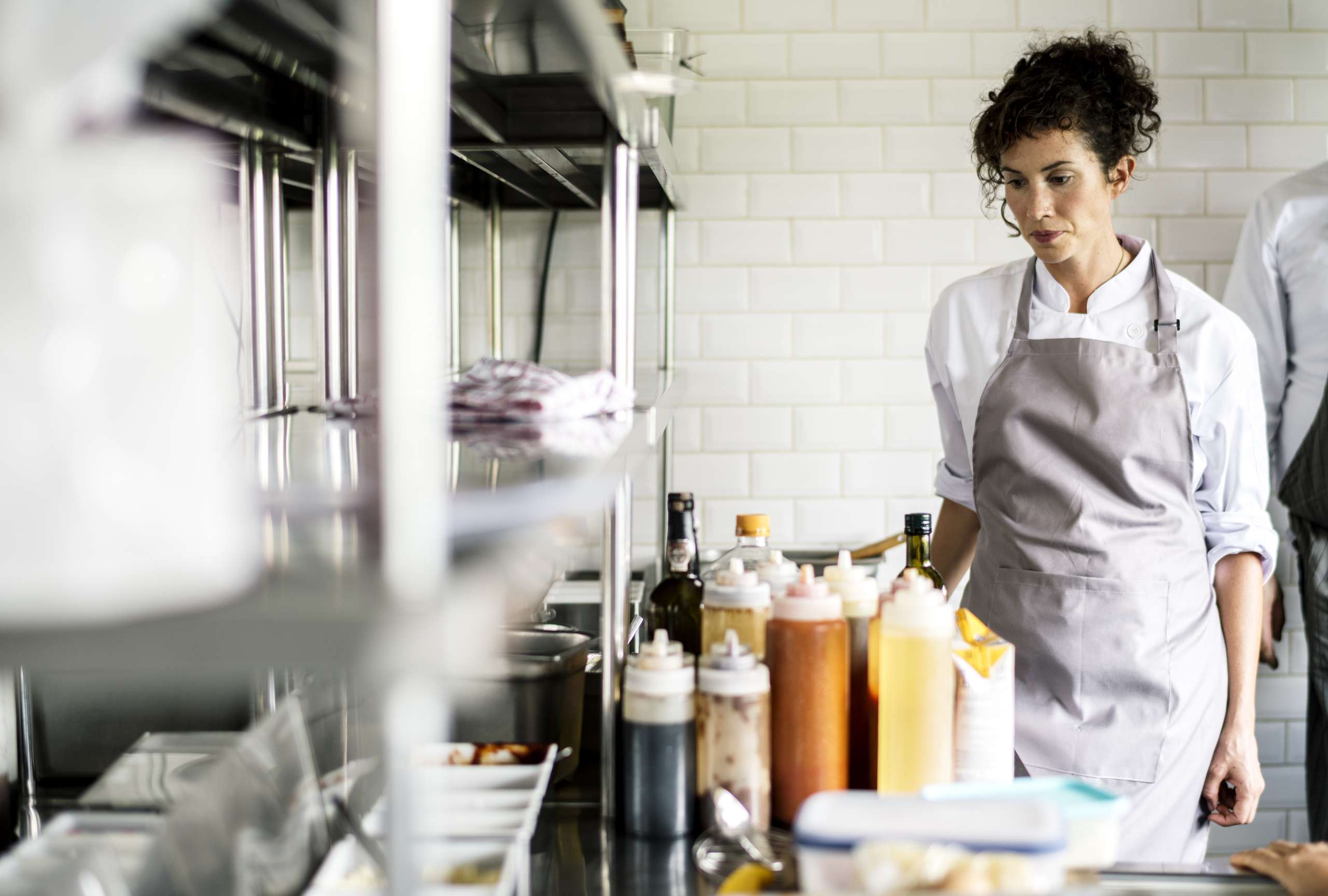
Prep is what wins the game before it’s even started. When new cooks are getting ready to cook their first service, they often think about the recipes they’re going to cook, but don’t consider the prep they need to do to execute those recipes. A good prep system means you have a busy service where you can methodically do A, then B, then C, instead of running around like a maniac looking for this or that. That organization means you’re going to be less likely to freak out, make errors, and it frees you up to focus on cooking instead of rummaging through your walk-in.
Begin by prepping based on tasks that are common to several recipes, not individual recipes themselves. Cleaning and slicing vegetables for a particular recipe while not preparing them for another recipe that requires the same ingredients will lead to unnecessary duplication of tasks later on. Instead, focus on common elements: stock, sauces, minced aromatics and segmented proteins. It might be useful to write out all of the recipes that will be served and circle the ingredients that are repeated. Preparing those ingredients first will make them interchangeable later, if needed.
The second error is the premature preparation of perishable ingredients. Herbs get limp, cut fruit turns brown, and lettuce goes flat if they are handled too long before serving. An inexperienced cook who is trying to prep everything in one go will probably present ingredients that have been sitting around for a while by the time his guests sit down to eat. The way to handle this is to prep ingredients in stages according to their longevity. Ingredients that can last, such as a sauce, a grain, or roasted vegetables can be prepped hours before the meal. More fragile ingredients should be prepared closer to the time of service. This avoids a last minute rush but also ensures a fresh meal.
Have equipment ready too. A long pause on the line while you find a pan, wait for a burner, or clear a cutting board is a waste of time. Take a minute or two to mentally rehearse the steps of cooking and set up accordingly. Put the tools that you’ll need most often in easy reach and clear the space that you’ll need to work in later. This mental rehearsal seems fussy at first, but it eliminates the stop-start action that burns energy and leads to timing mistakes.
You can work on developing a good prep routine by spending just 15 minutes a day on it. Pick a dish that you will make later and prep just the parts of it that you would typically prep in advance. Then, clean your station and organize it as though you were getting ready for service. Take note of anything that seems awkward or hard to remember. If you do this every day, you will develop a system that will help you cook peacefully and confidently even when the orders start coming in more quickly than you had anticipated.